MATERIALS 101
Here's the material breakdown you have been searching for. The materials used for clothing determine the piece's longevity, how much energy and water is used to produce the piece, and even has an impact on the health of both you and the garment workers.
COTTON
Cotton is one of the most widely used natural fibers in the world, prized for its softness, breathability, and versatility. This natural fiber comes from the cotton plant and has been used in textiles for thousands of years.
Cotton's comfort and ability to absorb moisture make it ideal for everyday clothing, while its biodegradability offers environmental benefits. However, the sustainability of cotton depends significantly on how it's grown and processed, with organic and recycled options providing more eco-friendly alternatives.
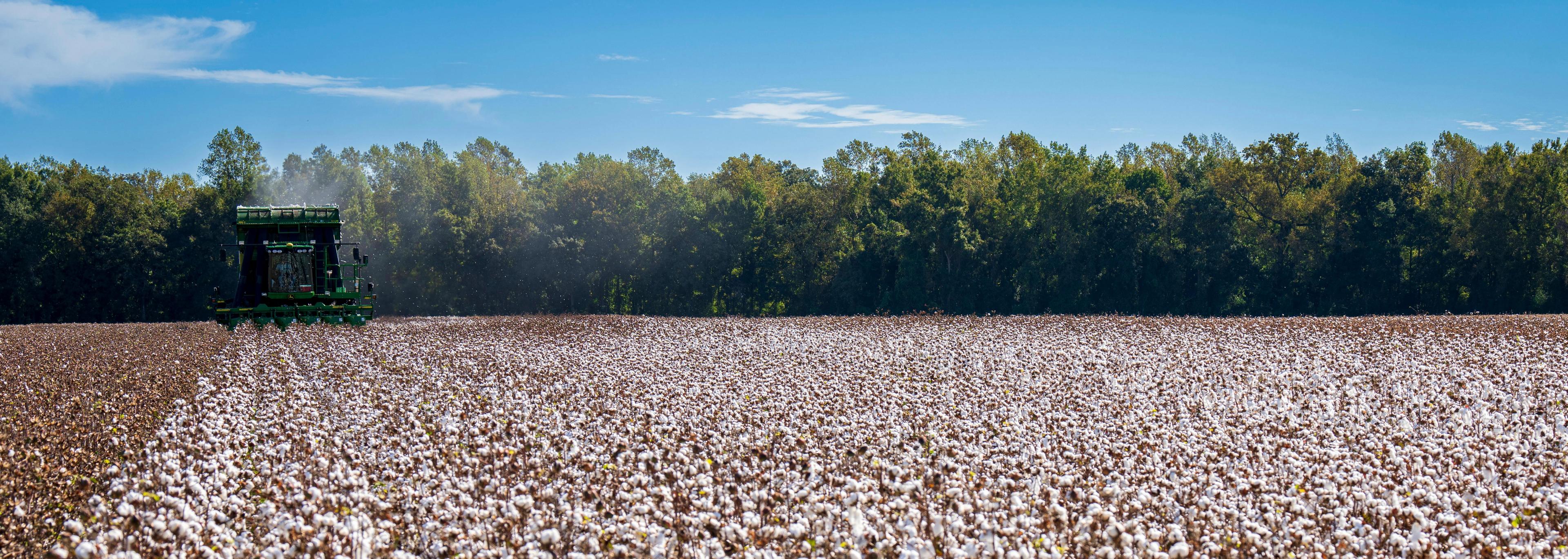
REGULAR COTTON
Conventional cotton farming uses intensive water resources and synthetic pesticides. While widely available and affordable, it has a significant environmental footprint.
Regular cotton is typically grown using traditional farming methods that prioritize yield over sustainability.
Typical uses:
- T-shirts
- Denim
- Bedding
- Towels
Sustainability snapshot:
ORGANIC COTTON
Organic cotton is cultivated without synthetic pesticides or fertilizers, using methods that maintain soil health and reduce environmental impact.
This approach supports biodiversity and reduces the exposure of farmers and ecosystems to harmful chemicals.
Typical uses:
- Babywear
- Premium basics
- Activewear
- Underwear
Sustainability snapshot:
RECYCLED COTTON
Recycled cotton is made from pre-consumer or post-consumer cotton waste, reducing the need for new cotton production.
This process diverts textile waste from landfills and significantly reduces water and energy consumption compared to virgin cotton.
Typical uses:
- Knitwear
- Denim blends
- Home textiles
- Accessories
Sustainability snapshot:
OTHER NATURAL FIBERS
In addition to cotton, there are some other natural fibers that are key players in the textile industry. Each fiber comes with its own set of strengths and weaknesses, and understanding the differences between them is key to making informed choices about your clothing.
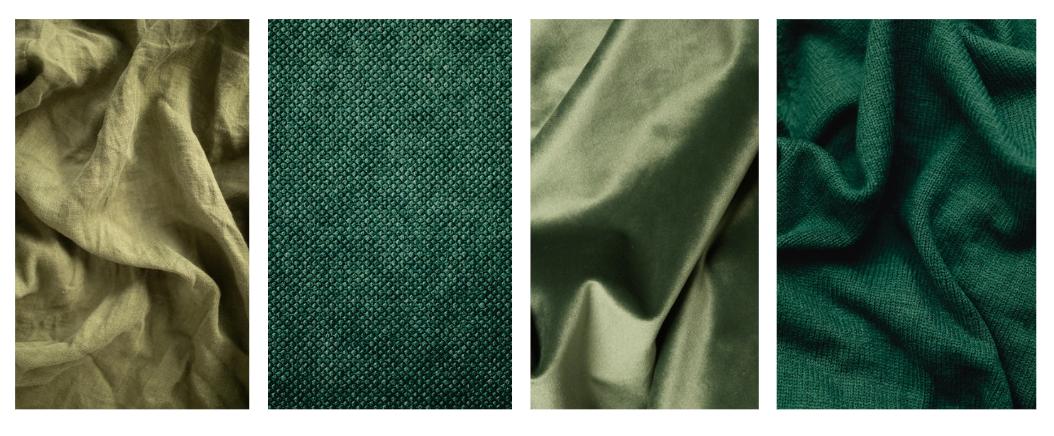
LINEN
Linen is derived from the flax plant and is one of the oldest textiles in the world. Known for its exceptional breathability and durability, linen becomes softer with each wash.
It's naturally temperature-regulating, making it perfect for warm weather, and requires minimal water and pesticides to grow compared to cotton.
Typical uses:
- Summer dresses
- Trousers
- Shirting
- Tailoring
Sustainability snapshot:
CASHMERE
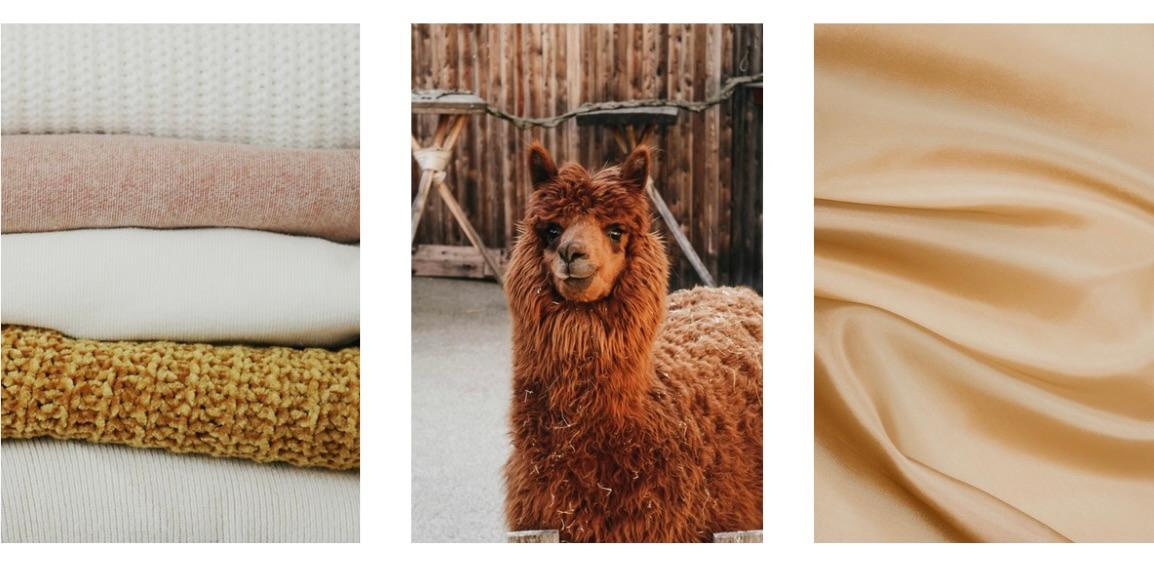
Cashmere is a luxury fiber obtained from cashmere goats, primarily found in regions like Mongolia and China. This premium material is prized for its exceptional warmth, lightness, and softness.
Cashmere provides excellent insulation while remaining lightweight, making it ideal for high-quality knitwear.
Typical uses:
- Sweaters
- Scarves
- Knitwear
- Luxury accessories
Sustainability snapshot:
WOOL
Wool comes from sheep and is known for its natural temperature-regulating properties.
This versatile fiber can keep you warm in winter and cool in summer, while also being naturally odor-resistant and moisture-wicking. Wool is durable, long-lasting, and can be recycled.
Typical uses:
- Sweaters
- Coats
- Suiting
- Base layers
Sustainability snapshot:
SILK
Silk is a natural protein fiber produced by silkworms and is known for its smooth feel, sheen, and drape.
It’s often associated with occasionwear and elevated basics, though its production is more resource-intensive than many other natural fibers.
Typical uses:
- Blouses
- Dresses
- Lingerie
- Scarves
Sustainability snapshot:
NATURAL FIBER BLENDS
Natural fiber blends combine plant, or animal-based fibers, with synthetic fibers to enhance comfort, durability, or texture.
Blends can improve performance while maintaining many of the benefits of natural materials. However, blending does make it harder to recylce clothing.
Typical uses:
- Everyday Apparel
- Tailoring
- Knitwear
Sustainability snapshot:
MERINO WOOL
Merino wool is a fine, high-quality wool sourced from merino sheep and is known for its softness, breathability, and natural performance properties.
Unlike coarser wools, merino fibers are much finer, making them comfortable against the skin while still providing warmth, odor resistance, and temperature regulation.
Typical uses:
- Base Layers
- Sweaters
- Activewear
- Premium Knitwear
Sustainability snapshot:
SYNTHETIC FIBERS
The most common synthetic fibers are polyester, nylon, and acrylic. These fibers are made from petroleum-based chemicals and are heavily relied upon in the textile industry.
They are often used in combination with natural fibers to create blends that offer the best of both worlds. However, synthetic fibers are not biodegradable and are not as sustainable as natural fibers.
POLYESTER
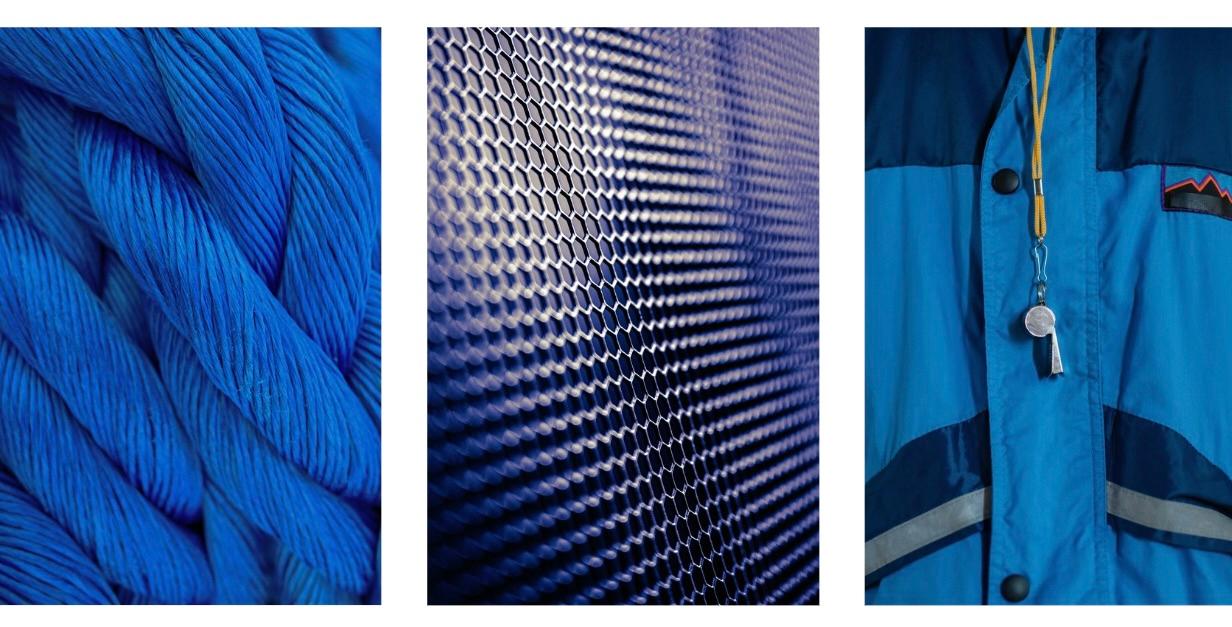
Polyester is a synthetic fiber made from petroleum-based plastics and is widely used in fashion due to its durability, wrinkle resistance, and low production cost.
While it offers strength and versatility, polyester does not biodegrade and sheds microplastics during washing and wear, contributing to long-term environmental pollution.
Typical uses:
- Activewear
- Fast Fashion Garments
- Outerwear
- Linings
Sustainability snapshot:
NYLON / POLYAMIDE
Nylon, also known as polyamide, is a strong, elastic synthetic fiber derived from petrochemicals.
Common in technical and performance apparel, nylon offers durability but comes with a high environmental footprint due to energy-intensive production, lack of biodegradability, and microfiber pollution.
Typical uses:
- Activewear
- Hosiery
- Swimwear
- Accessories
Sustainability snapshot:
ACRYLIC
Acrylic is a synthetic plastic fiber made from acrylonitrile and is often marketed as a low-cost alternative to wool.
While it mimics softness and warmth, acrylic is non-biodegradable, sheds microplastics, and relies heavily on chemical processing, making it one of the least sustainable textile fibers.
Typical uses:
- Sweaters
- Knitwear
- Scarves
- Fleece
Sustainability snapshot:
SPANDEX / ELASTANE
Elastane & Spandex are the same exact fabrics. "Spandex" is the term used in North America and "Elastane" is the technical term.
They are highly elastic synthetic fibers made from polyurethane and is used in small percentages to add stretch and shape retention to garments.
While it significantly improves comfort and fit, elastane is fossil-fuel based, non-biodegradable, and difficult to recycle when blended with other fibers.
Typical uses:
- Activewear
- Denim
- Underwear
- Fitted Garments
Sustainability snapshot:
VISCOSE / RAYON
Viscose/ rayon is a semi-synthetic fiber made from regenerated cellulose, most commonly derived from wood pulp. Rayon is the more common term in the United states & viscose is the more common term elsewhere.
Although it starts with a plant-based raw material, viscose production can involve intensive chemical processing and, when poorly managed, has been linked to deforestation and pollution.
Typical uses:
- Dresses
- Blouses
- Linings
- Lightweight Knits
Sustainability snapshot:
MODAL & TENCEL™ MODAL
Modal is a semi-synthetic fiber made from regenerated cellulose, typically derived from beechwood pulp. It is known for its softness, breathability, and ability to drape well, making it popular in elevated basics.
When it is TENCEL™ branded, it is produced using a closed-loop process that recovers most of the solvents used, resulting in significantly lower environmental impact than conventional viscose. When it is not TENCEL™ branded, it could be using less sustainable processes.
Typical uses:
- Underwear
- Loungewear
- T-shirts
- Lightweight Knits
Sustainability snapshot:
LYOCELL & TENCEL™ LYOCELL
Lyocell is a semi-synthetic fiber made from regenerated cellulose, most commonly sourced from wood pulp, and it is best known under the brand name TENCEL™.
It is valued for its softness, breathability, and strength. When it is TENCEL™ branded, it is produced using a closed-loop process that recovers most of the solvents used, resulting in significantly lower environmental impact than conventional viscose. When it is not TENCEL™ branded, it could be using less sustainable processes.
Typical uses:
- T-shirts
- Dresses
- Denim Blends
- Activewear
- Bedding
Sustainability snapshot:
RECYCLED SYNTHETIC FIBERS
Recycled synthetic fibers are made by reprocessing existing plastic materials—most commonly recycled polyester from PET bottles or textile waste—into new fibers.
These materials help reduce reliance on virgin fossil fuels and divert plastic from landfill, but they remain plastic-based, non-biodegradable, and can still shed microplastics during use and washing.
Typical uses:
- Activewear
- Outerwear
- Fleece
- Swimwear
Sustainability snapshot:
EDITORIAL NOTES
While natural fibers are often considered more sustainable than synthetic fibers, it depends on the specific use of the fiber. Sometimes, blending synthetic fibers with natural fibers allows for a more durable garment.
If the piece of clothing is able to withstand the wear and tear of daily use, it can be a more sustainable option than a purely natural fiber garment since it could last longer, and since you are less likely to send it to a landfill anytime soon. So, it is also important to consider the durability and longevity of the garment when making a sustainable choice.